
the control layer
behind telecom traffic
a unified control platform for telecom traffic
the platform is built as a modular system that allows independent scaling of components
it provides a unified layer for routing, policy enforcement, monitoring, and billing — enabling operators and platforms to move beyond fragmented systems and operate telecom traffic with clarity, control, and predictability
the platform is used to support wholesale, enterprise, and operator environments where reliability, compliance, and operational ownership are essential
what the platform does

unified telecom
control architecture

end-to-end traffic
management

reduced complexity
with operational flexibility
core platform capabilities
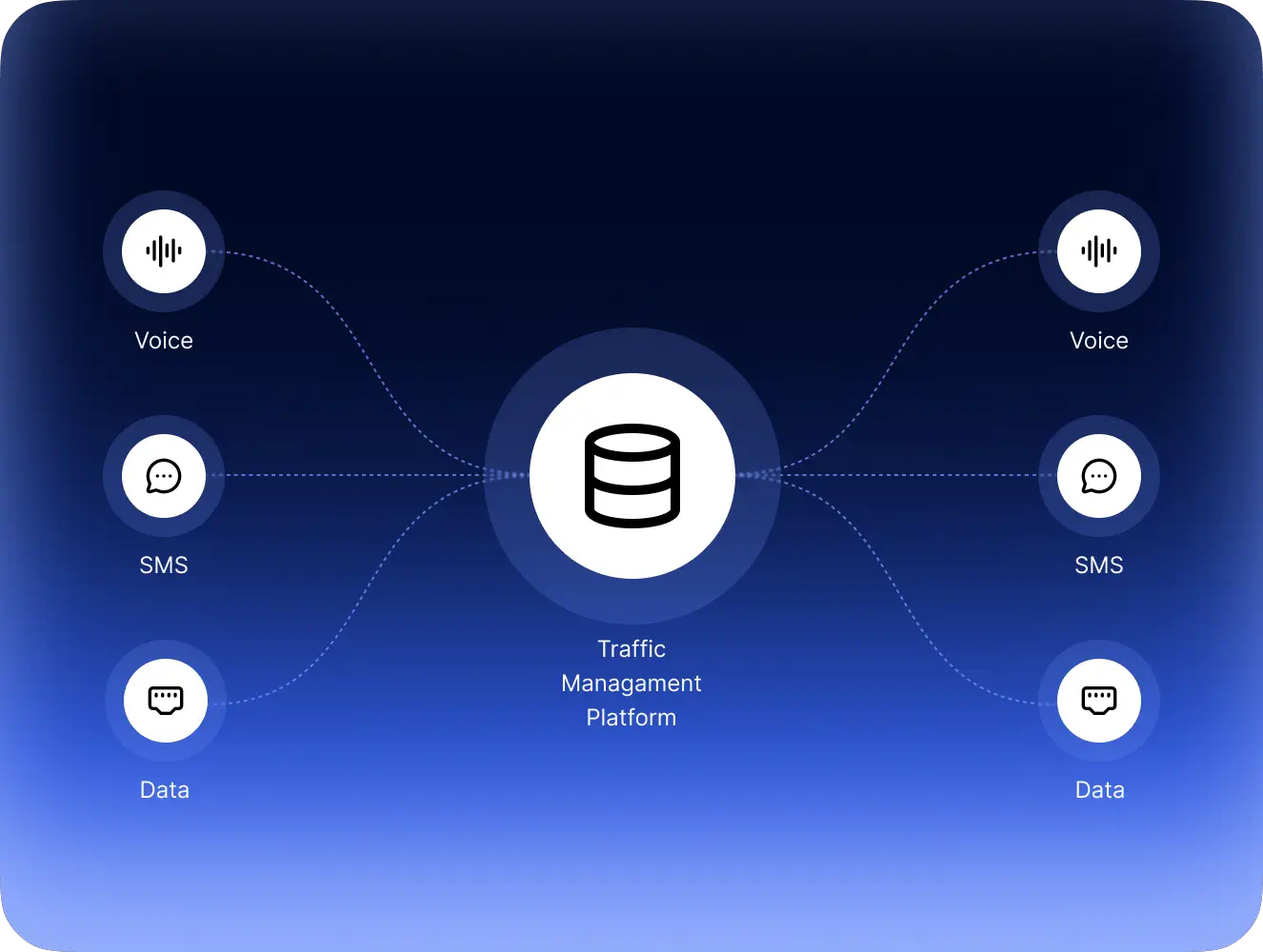
multi-service traffic handling
the platform supports messaging, voice, and IP traffic within a single operational framework. rather than managing separate systems for different services, operators use a unified control layer that simplifies interoperability, reduces operational overhead, and improves consistency across services
flow-based traffic processing
the platform includes configurable traffic processing layers that allow inspection, enrichment, and control of traffic flows. flow processors allow intervention at different stages of traffic processing
these processing points support use cases such as traffic validation and filtering, policy enforcement, fraud and abuse mitigation, compliance controls, and value-added service logic. traffic handling can be adapted without disrupting core routing logic
routing & optimization
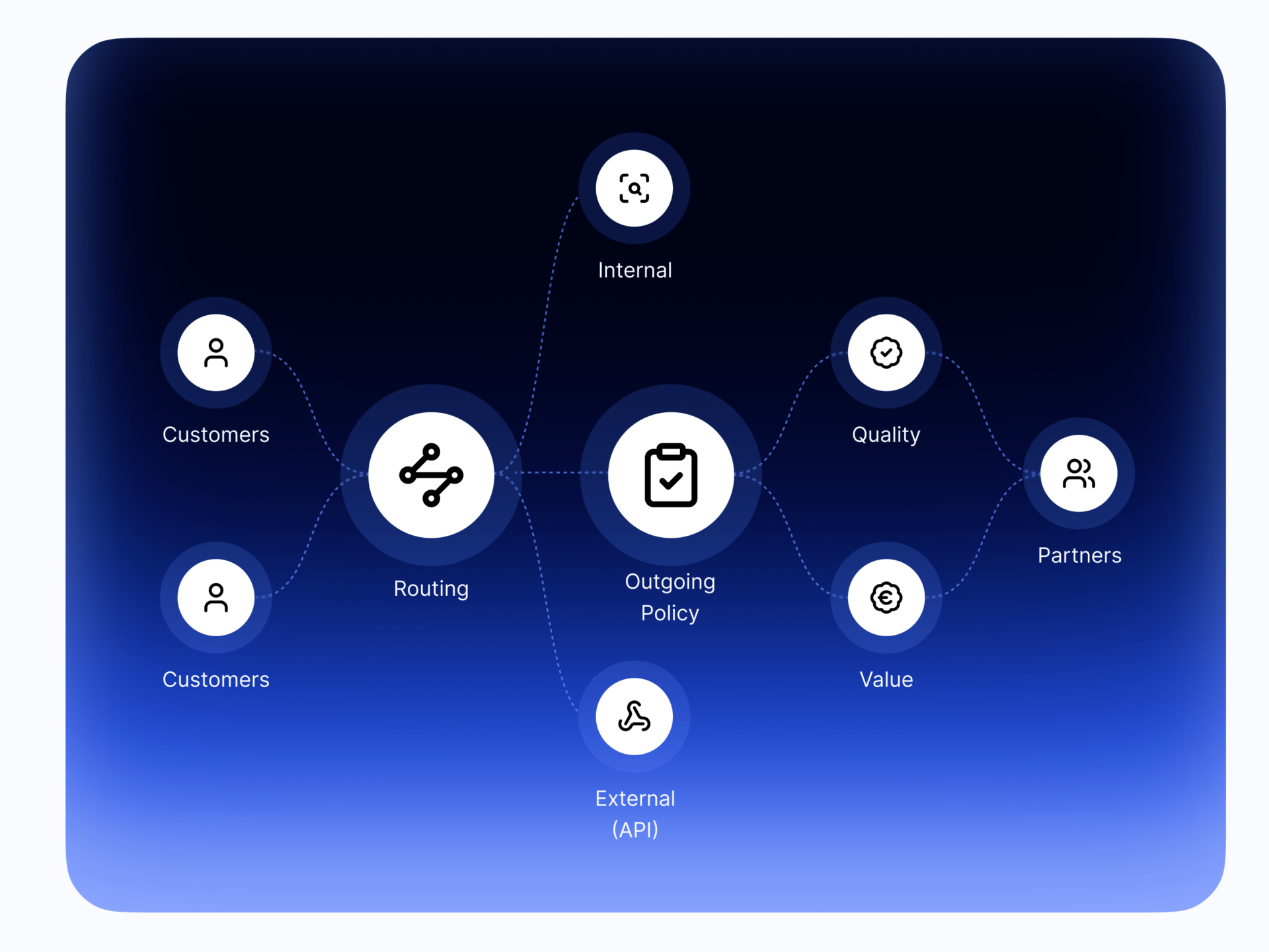
routing decisions are driven by configurable policies that consider quality, cost, and availability, and can be coupled with real-time traffic analysis
the routing engine supports quality-based route selection, cost-aware routing models, failover and redundancy handling, and controlled traffic steering. this ensures predictable delivery while maintaining operational flexibility

monitoring, analytics & visibility
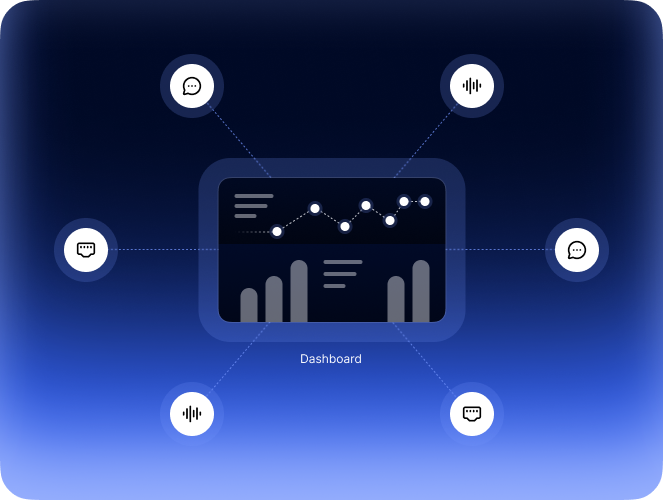
the platform provides centralized visibility into traffic behavior and performance across services and regions
operators can monitor traffic volumes and patterns, delivery performance and error rates, route behavior and stability, and service-level indicators in real time
monitoring supports both operational oversight and performance review aligned with contractual commitments
billing & monetization
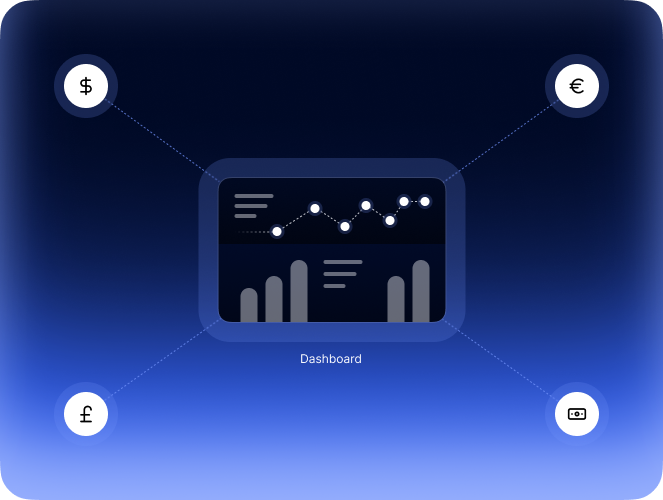
the all ip platform includes integrated billing and reporting capabilities designed for telecom traffic environments
supported functions include rating and billing for messaging, voice, and IP traffic, partner settlements and reconciliation, cost allocation and margin visibility, and reporting across routes, customers, and regions
billing logic is tightly integrated with routing and traffic data to ensure accuracy and transparency

the platform is built as a modular system that allows independent scaling of components
it can be deployed in on-premises environments, cloud or virtualized infrastructure, or hybrid operational models
this architecture enables operators to scale capacity and functionality in line with traffic growth and operational requirements
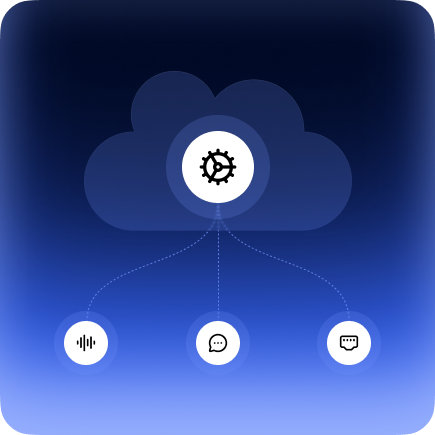
the platform can be operated directly by all ip as part of managed infrastructure services, integrated into customer operational environments, or used as a shared control layer across multiple services
operational responsibilities and usage models are aligned with contractual scope and service agreements.
built for mission-critical connectivity
enterprises
compliance first - engineered for regulated sectors
predictable scale - infrastructure that grows with your needs
operators
secure termination - protected routes for mission-critical traffic
monetization ready - support for advanced service offerings
platforms
carrier-grade SLA - built for performance and reliability
global coverage - infrastructure-backed reach at scale
platform
philosophy
the all ip platform is designed around three principles

control before complexity

predictability over automation hype
operational ownership over abstraction
the platform is not positioned as an application layer, but as a control and operations platform for organizations that build services on top of telecom infrastructure